Before authorizing production, approve one identified reference sample and attach its finish, model, hardware and packaging records to the order. Give the brand and factory a written decision on what can move forward and what must be checked again if a component or label changes. A QA lead may approve how a metal pergola looks at a sample review and still find cartons labeled for an earlier revision. The release record should tie every reviewed item to the same configuration.
 NEO ALU Pergola in a Seaside SettingA NEO ALU series application scene showing two visible manual roof control positions.
Define What the Sample Will Approve
Choose the Sample That Matches the Decision
Start pre-production sample approval with the decision the buyer needs to make. A coated profile can show the agreed color, texture and edge appearance. A representative bracket and fastener can show a connection and its fit. An assembled unit can help the buyer review how the selected parts look and work together. Record the characteristics each sample covers and identify other checks on the schedule.
The agreed color, texture and visible edge on a specified part.
Designed and created by the Outdoor Creation team.
A selected bracket, fixing or joint and its relevant fit.
Designed and created by the Outdoor Creation team.
The view and fit of the components included in the assembly.
Designed and created by the Outdoor Creation team.
Ask how each submitted piece was made. A sample may have been prepared before the final coating or cutting setup was agreed. Record which conditions it represents and schedule a further check on a piece made to the released setup when those conditions change.
If your supplier calls the approved reference a golden sample, mark the physical sample and use the same ID in the release record. If the order calls for formal first article inspection, agree its requirements and the evidence separately. IAQG explains the original aviation, space and defense scope of its 9102 first article standard.
Record the Configuration and Its Revision
Give a private label pergola order one configuration reference. List the manufacturer’s model, nominal size, roof control and ordered options. The importer gives the exporter the brand SKU and the label or manual language for the destination. Confirm the mapping and give the sample and the photo record matching identifiers. Record where the sample can be retrieved, who holds it and the date it was reviewed.
For a custom aluminum pergola, specify which decisions need a physically representative part. A change to branding can call for an approved print proof. A revised bracket, roof control or size may need an engineering review and another sample of the affected part. Choose the product configuration first. Compare our aluminum pergola configurations.
Match the Sample to Four Release Records
Check the Finish and Model Identification
Review the finish on the specified part under the agreed viewing conditions. Link the accepted reference to the finish schedule and give each photograph a part name, an angle and the sample ID. For a custom color, agree how the brand will judge the coated piece and who keeps the reference. Use the order’s agreed acceptance criteria when the production finish is checked.
Our NEO ALU aluminum louvered pergola illustrates why the roof control belongs in the record. The opening photo shows a series application. For a nominal 3 × 3 m freestanding manual configuration, write the series, size and manual control in the same line. The series also offers an optional motorized configuration. Ask an aluminum pergola manufacturer for private label production runs to confirm the ordered control option and corresponding parts before the record is signed.
 NEO ALU Manual Roof ControlOfficial close-up of the crank connection near the upper frame.
Match the Accessory Pack and Label Artwork
Read back the hardware or accessory list against the parts visible on the sample and the order’s bill of materials. Check pack contents and quantities against the instructions for the same configuration. A wholesaler may use a SKU that differs from the factory model code. Ask the exporter to check that both identifiers resolve to the same order line before approving the carton proof. Use the pergola packaging and part identification guide for the wider packing handover.
Open a representative accessory pack during the review. Lay out its contents so the reviewer can read the parts list and identify the hardware in a photo. If the order includes an optional screen, confirm which line carries it and which instructions go in the carton. Record any open part substitution against the affected item.
| Review item | Evidence to match | Reviewer | Hold if open |
|---|---|---|---|
| Finish | Signed color or finish reference and the specified part. | Brand and finish reviewer | Finish release for the affected surface. |
| Model | Brand SKU, supplier model, roof control and drawing revision. | Purchasing and engineering | The order line with the unresolved IDs. |
| Parts pack | Part codes, quantities, bill of materials and assembly instructions. | Engineering and QA | The affected pack or assembly. |
| Carton and manual | Print proof and manual revisions matched to the SKU. | Brand and export team | The affected printing or packing step. |
Designed and created by the Outdoor Creation team.
Consider an illustrative order that specifies carton artwork L3 while the print proof is L2. The sample and its component list match the agreed model. Record the accepted finish and parts, hold the carton artwork, replace the proof and have the brand review L3. Each document keeps its own revision number. The release record lists the versions that apply together.
Match the supplier model and the brand SKU to one approved configuration.
Designed and created by the Outdoor Creation team.
The SKU agrees. The artwork revision needs review before printing.
Designed and created by the Outdoor Creation team.
Decide Which Work Can Start
Assign the Review and Release Roles
The brand approves the agreed appearance and market-facing identifiers. The factory’s technical reviewer checks the drawing, bill of materials and compatibility for the ordered configuration. QA matches the sample and dated photos to those records. For an OEM change, the fabricator confirms the part details it has been asked to make. If the order includes ODM development, put the approved design requirements and verification records in the same handover.
Name the person who can release work under the order and give purchasing and production access to that decision. A distributor can keep the approved configuration with the launch documents so its sales and support teams use the same reference. See ISO guidance on approval and release records for examples of how to identify who authorized changes or release.
- Identify the sampleLink its tag to the order and configuration.
- Review the evidenceMatch the finish, model, parts and print proof.
- Confirm the scopeGet the decision from the authorized reviewers.
Designed and created by the Outdoor Creation team.
Record What the Buyer Has Approved
- Approved. List the sample and document versions covered, the signers and the work the decision releases.
- Held for evidence. State who must deliver the outstanding sample, revised proof or compatibility check. Identify the work that is on hold.
- Approved for a stated scope. Identify the work that can start and the outstanding approval that controls the rest. Get that scope confirmed by the authorized reviewer.
For the carton example, the factory needs written direction on whether an unaffected operation can start while artwork remains on hold. Make that decision specific enough for production planning. One dated record can identify the component work it covers, the blocked print order and the person who will verify the new proof.
Reopen the Approval When Its Basis Changes
Identify Which Change Affects the Sample
Trace a change through the evidence used for the release. If the powder coat specification changes, send the new representative finish for review. If a control or bracket changes, give engineering the revised parts and drawings to determine which checks to repeat. When carton language changes, approve the corrected artwork against the same SKU and verify any linked instructions. Write down the change, the affected decisions and the person who approves each one.
- Finish or approved color
- Confirm the new finish reference and the affected appearance criteria.
- Control, bracket or accessory
- Check the revised part, drawing and the interfaces it changes.
- Carton or manual
- Recheck the proof and the SKU mapping before releasing that revision.
Designed and created by the Outdoor Creation team.
Hand the Released Record to Production
Give production and QA the order reference, the sample ID and the active document revisions. Tell the importer which brand label and manual went into the release. The exporter uses the released identifiers to prepare the corresponding packing and shipment documents. Archive the superseded files so the old artwork and bill of materials are easy to recognize when a repeat order arrives.
Before a repeat run, confirm the retained piece is still accessible and check which documents changed since the last release. List the approved characteristics that carry over. If the reference is damaged or its tag can no longer be read, identify a replacement through the agreed review.
When you work with a Chinese manufacturer of outdoor shade structures for brand buyers, agree which reference stays at the factory and which photos or samples the brand will keep. Our team uses the agreed configuration to coordinate parts and packaging. See our outdoor structure manufacturing facility and our outdoor living product range when preparing the production handover.
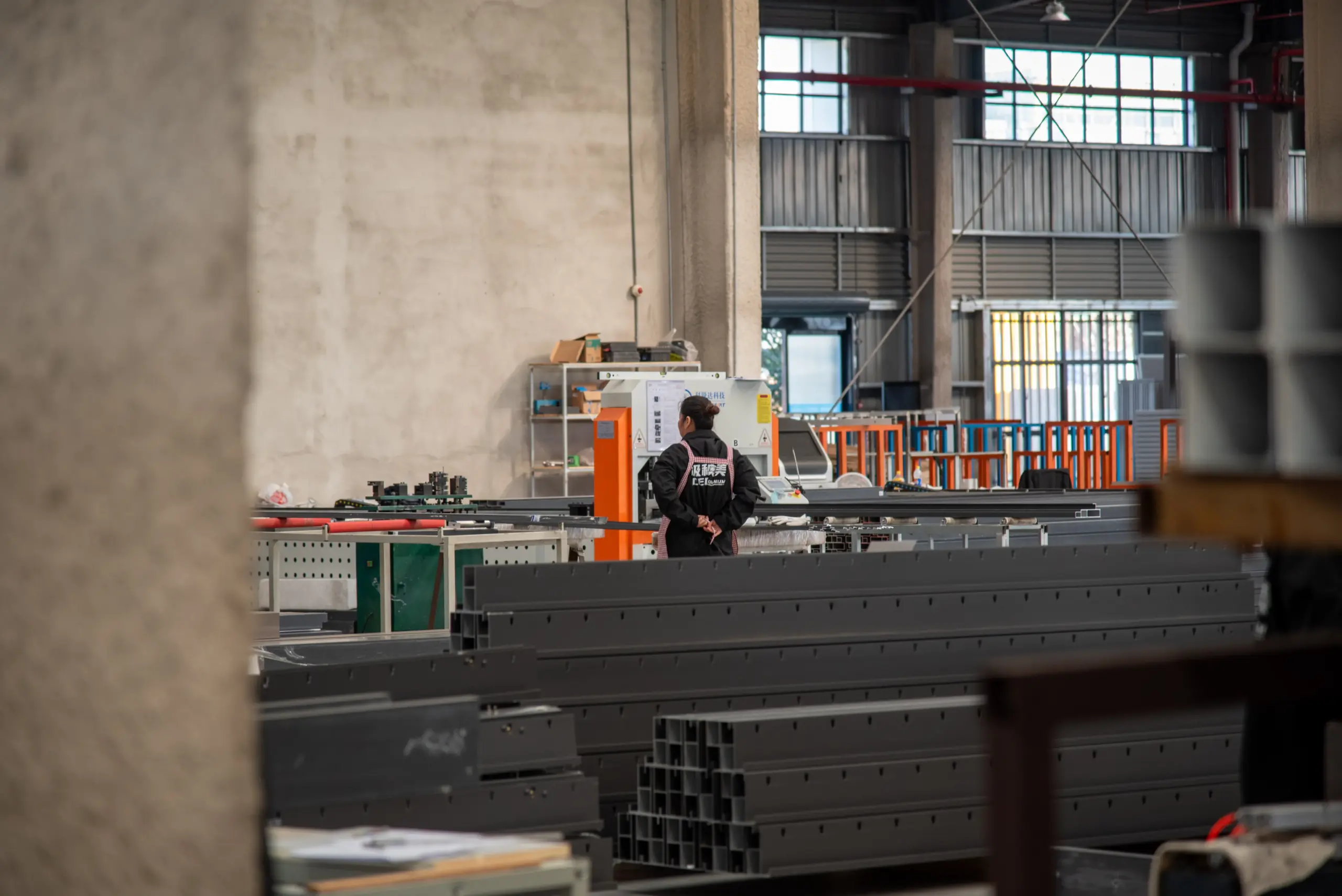 Outdoor Creation Profile Processing StationOfficial factory photo of a production worker and staged metal profiles.
Watch the Outdoor Creation factory tour on YouTube
The approved reference gives inspectors a common point of comparison. Use the agreed criteria to plan the pergola quality inspection and confirm who can accept the lot and release the shipment. Where the order uses a sampling plan, follow that plan for the lot decision. NIST guidance on lot acceptance sampling.
Frequently Asked Questions
What is a pergola reference sample?
It is the agreed example the buyer and factory use for comparison. Its approval record specifies the configuration, finish or parts it covers.
Can my customer approve a finish from a photo?
A photo can record the sample and its label. Ask the project team how the customer should judge color and texture under agreed viewing conditions.
Can a color chip approve a complete pergola?
Use a chip for the agreed color decision. Review model details, hardware, control options and packaging on the applicable samples or records.
Who signs the approved reference sample?
Name the authorized brand and factory reviewers in the order. Record who accepts appearance, who checks the configuration and who can release production.
What if the carton label shows an old SKU?
Flag the label for correction and verify the replacement artwork against the current order. Retain the change record before releasing the affected printing.
Does approval carry over when a hardware part changes?
Review the part’s fit, function and associated drawings. Reopen the affected approval and record the new evidence before authorizing the change.
Can one sample cover several sizes or finishes?
Only if the approval lists the covered variants and the evidence for each. Identify what still needs a separate sample or check.
Does approving the sample release the finished shipment?
Shipment release follows the agreed lot inspection and order approvals. Give inspectors the signed reference and the relevant versions before they check the batch.
Materials, hardware, installation conditions, order details and final customization are confirmed for each project.