A custom aluminum pergola OEM project involves more than selecting a size,
changing a colour and placing a logo on the packaging. For importers,
distributors, outdoor living brands, retailers and project companies, the
development process must convert a commercial idea into a product that can be
manufactured repeatedly, inspected against an approved specification, packed
efficiently and installed in the destination market.
The exact process depends on the project. A private-label version of an existing
pergola may require only branding, documentation and packaging changes. An OEM
adaptation may involve revised dimensions, controls, accessories or components.
A new ODM system may require concept development, engineering, tooling,
prototyping and a deeper validation program. These projects should not be treated
as if they involve the same scope, cost or lead time.
This guide explains a structured custom aluminum pergola OEM process from the
initial design brief through feasibility review, technical development, buyer
approval, production, packaging and container loading. It is intended to help
buyers define responsibilities, reduce repeated revisions and understand what
evidence should exist before each project moves to the next stage.
Buyers who are still comparing potential partners should first review
how to evaluate a louvered pergola manufacturer and supplier
.
The present article begins after a potential manufacturing partner has been
identified and the product-development discussion is ready to start.
definition, feasibility review, concept and cost development, CAD drawings and
bill-of-material preparation, sample approval, product verification,
production release, batch manufacturing, quality control, export packaging and
container loading. Each stage should have a defined buyer input, manufacturer
output and approval point. The depth of the process should match the actual
level of customization rather than follow one fixed procedure for every order.
What Does “Custom” Mean in a Pergola OEM Project?
The word “custom” can describe several different levels of work. It may refer to
a standard pergola supplied in a non-standard colour, an existing product sold
under the buyer’s brand, an adapted product platform or a completely new system.
Unless the cooperation model is defined at the beginning, the buyer and
manufacturer may develop different expectations about drawings, samples,
tooling, ownership, testing and price.
A practical first step is to classify the project before discussing detailed
engineering. The following categories are not legal definitions, and companies
may use the terms differently, but they provide a useful basis for project
planning.
| Cooperation Model | Typical Starting Point | Common Changes | Typical Development Depth |
|---|---|---|---|
| Standard configuration | An existing pergola model and approved option list | Standard size, standard colour and compatible accessories | Low; mainly product selection and order confirmation |
| Private label | An existing product platform owned or controlled by the manufacturer | Brand name, carton artwork, labels, manuals and model naming | Low to medium; packaging and documentation approval are important |
| OEM adaptation | An existing platform combined with buyer-defined requirements | Dimensions, selected components, controls, accessories, finish or packaging | Medium; technical review, sample approval and change control may be required |
| ODM development | A market need, product concept or performance objective | Structure, appearance, profiles, components, mechanisms and manufacturing methods | High; may require research, engineering, tooling, prototypes and wider verification |
| Project-specific customization | A defined site, building interface or commercial outdoor area | Layout, post positions, roof zones, drainage, wall connections and accessories | Project-dependent; local engineering and approval may remain the buyer’s responsibility |
Not every custom louvered pergola requires a new extrusion, full-size prototype
or complete product redevelopment. Using an existing technical platform can
reduce cost and risk where the platform already meets the intended application.
Conversely, a request that changes span, post layout, roof mechanism, motor
arrangement or side enclosure may require more than a simple dimensional
adjustment.
Information to Prepare Before Starting the OEM Process
The quality of the initial design brief has a direct effect on the quality of the
manufacturer’s first proposal. A brief does not need to contain complete
engineering, but it should define the business and product context well enough
for the manufacturer to assess feasibility.
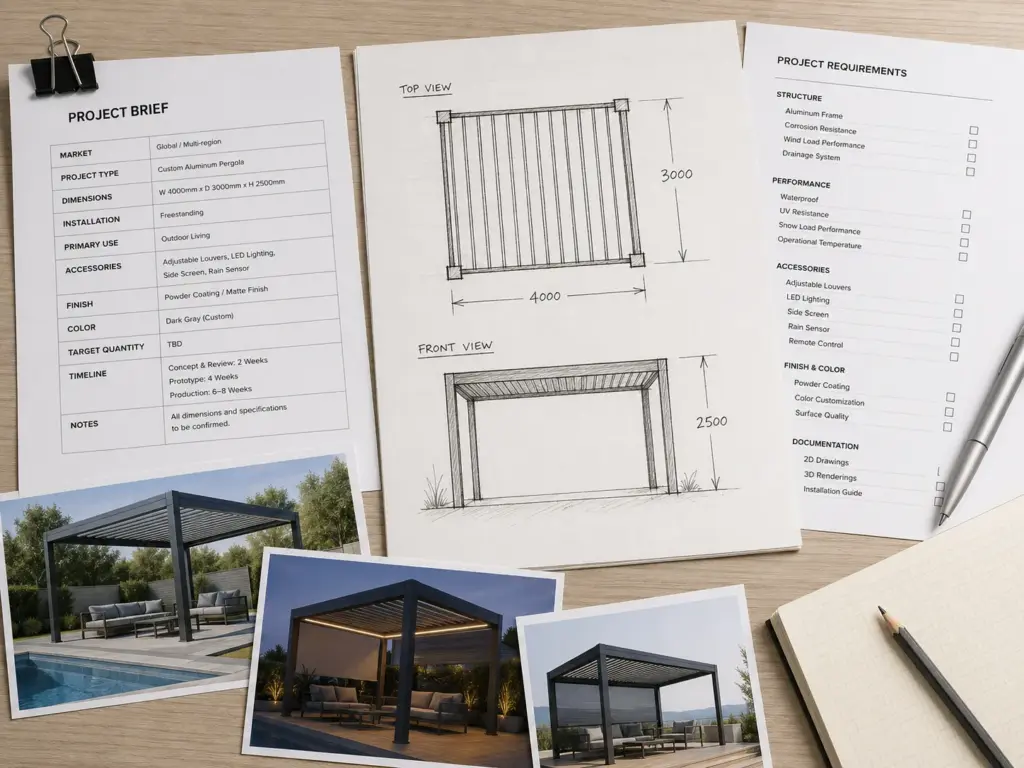
At minimum, the buyer should provide the intended market, product positioning,
target user, preferred pergola type, approximate dimensions, installation method,
quantity range, target launch schedule and required accessories. Site-specific
projects should also include photographs, drawings, mounting conditions,
drainage expectations and relevant local wind, snow, electrical or approval
requirements.
Outdoor Creation’s
pergola size, customization and project-design guidance
provides a more detailed list of information that can be prepared before a
custom project is reviewed.
| Brief Section | Information to Provide | Why It Matters |
|---|---|---|
| Target market | Country, sales channel, customer type and intended application | Helps define product positioning, documentation and market-specific constraints |
| Product scope | Manual or motorized roof, freestanding or wall-mounted layout, standard or project system | Establishes the initial technical platform |
| Dimensions | Width, projection, height, bay arrangement, post positions and clearance requirements | Allows an initial structural and manufacturing review |
| Environment | Coastal, humid, snowy, high-wind, high-UV or sheltered conditions | Influences material, coating and configuration discussions |
| Accessories | Screens, glass, lighting, heaters, fans, sensors, side panels or integrated storage | Accessories can affect fixing points, electrical routing, drainage and packaging |
| Branding | Logo, model name, labels, manual language, carton artwork and display requirements | Defines the private-label and packaging workstream |
| Commercial targets | Expected volume, target price range, order frequency and launch date | Helps test whether the proposed development route is commercially realistic |
| Approval requirements | Known standards, local permits, electrical requirements or customer testing protocols | Identifies evidence that may be needed before the product is approved |
The 10-Gate Custom Aluminum Pergola OEM Process
A stage-gate approach prevents a project from moving directly from an early
rendering into batch production. Each gate confirms that the information from the
previous stage is sufficiently complete for the next stage to begin.
Design Brief
Feasibility Review
Concept & Cost
CAD & BOM
Samples
Verification
Production Release
Batch Production
Packaging & Documents
Final Inspection & Loading
Gate 1: Define the Cooperation Model and Design Brief
The first gate establishes what is being developed and what is outside the
project scope. The buyer and manufacturer should confirm whether the project is a
standard configuration, private-label program, OEM adaptation, ODM development or
site-specific system.
The brief should identify which requirements are fixed and which remain open for
recommendation. For example, the buyer may require a motorized roof, a specific
market price and branded packaging while remaining open to the exact beam
profile, post arrangement and accessory supplier.
Intellectual-property expectations should also be discussed early. If the buyer
shares unreleased concepts, drawings, customer information or product-development
data, the parties may need a confidentiality agreement. Ownership and permitted
use of new drawings, tooling, brand assets and product modifications should be
addressed in the commercial agreement rather than assumed.
The
WIPO guidance on trade-secret management
explains the role of confidentiality agreements and controls on the use and
disclosure of sensitive business information.
Market, product objective, reference files, target quantity, budget and launch schedule.
Scope summary, missing-information list and proposed development route.
Written confirmation of the project type, objectives, responsibilities and initial scope.
The parties use “OEM” or “custom” to describe different levels of work.
Gate 2: Complete Market, Technical and Manufacturing Feasibility Review
A feasibility review determines whether the requested product can be developed
using an existing platform, an adapted platform or a new technical solution.
This stage should take place before the manufacturer gives a firm production
commitment.
Technical feasibility includes the proposed dimensions, roof zones, profile
arrangement, motor or manual mechanism, drainage route, accessory integration,
installation method and known environmental conditions. Manufacturing
feasibility considers extrusion availability, machining, coating, component
sourcing, assembly, testing, packaging and expected order volume.
Commercial feasibility should be reviewed at the same time. A technically
possible system may not meet the buyer’s target cost, lead time or minimum order
expectations. The objective is not to approve every request; it is to identify a
development route that is technically and commercially proportionate to the
opportunity.
Buyers can also compare the proposed concept with existing
manual and motorized aluminum pergola platforms
.
Starting with a suitable existing platform can reduce unnecessary development,
while a genuinely differentiated concept may justify additional engineering.
Required functions, dimensions, market requirements, commercial targets and site information.
Feasibility conclusion, initial configuration, risk list and development assumptions.
Agreement on whether to use, adapt or replace an existing technical platform.
A visual concept is accepted before its structural, manufacturing or cost implications are understood.
Gate 3: Develop the Concept, Product Configuration and Preliminary Cost
Once the development route is agreed, the manufacturer can prepare a preliminary
product configuration. This may include concept renderings, indicative
dimensions, roof type, frame arrangement, finish options, motor or manual
operation and a proposed accessory package.
A preliminary quotation at this stage should be treated as a planning range
rather than a final batch-production price. The cost may still change after the
profiles, components, packaging, sample requirements and inspection criteria are
defined.
The buyer should confirm whether the concept meets the intended market position
before detailed engineering begins. This is the most efficient stage for
correcting appearance, user experience, configuration and commercial direction.
Reversing these decisions after tooling, samples or packaging artwork have been
completed can create avoidable cost and delay.
Feedback on concept, market position, functions, appearance and target selling proposition.
Concept configuration, preliminary visual material and indicative cost range.
Concept direction and commercial assumptions approved for technical development.
A rendering or indicative quotation is mistaken for the final production specification.
Gate 4: Convert the Concept into CAD Drawings and a Controlled BOM
The technical-development stage converts the concept into information that can
guide purchasing, machining, assembly, inspection and installation. Depending on
project scope, the technical package may include dimensional drawings, profile
sections, connection details, exploded views, component drawings, accessory
interfaces and a bill of materials.
For a custom aluminum louvered pergola, important decisions may include the roof
opening direction, number of roof zones, beam and post layout, drainage path,
wall connection, motor position, cable routing, screen preparation, lighting
position, fastener selection and carton grouping.
These decisions should be coordinated as one system. For example, adding a
motorized screen can affect beam preparation, control planning and side
clearances. Adding glass doors can affect floor tolerance, drainage, access,
wind exposure and packaging. Outdoor Creation’s
motor, smart-control and pergola-accessory planning guidance
explains why accessory requirements should be defined before the main
configuration is frozen.
The BOM should be connected to a specific drawing or specification revision.
Otherwise, a later design change may be reflected in the drawing but not in
purchasing, production or packing information.
Confirmed dimensions, option selections, accessory requirements, installation assumptions and document needs.
CAD drawings, profile and component details, exploded information and preliminary or final BOM.
Technical layout and specification approved for sampling or prototype work.
The drawing, BOM, quotation and accessory list contain different revisions.
Gate 5: Select the Right Prototype or Sample Method
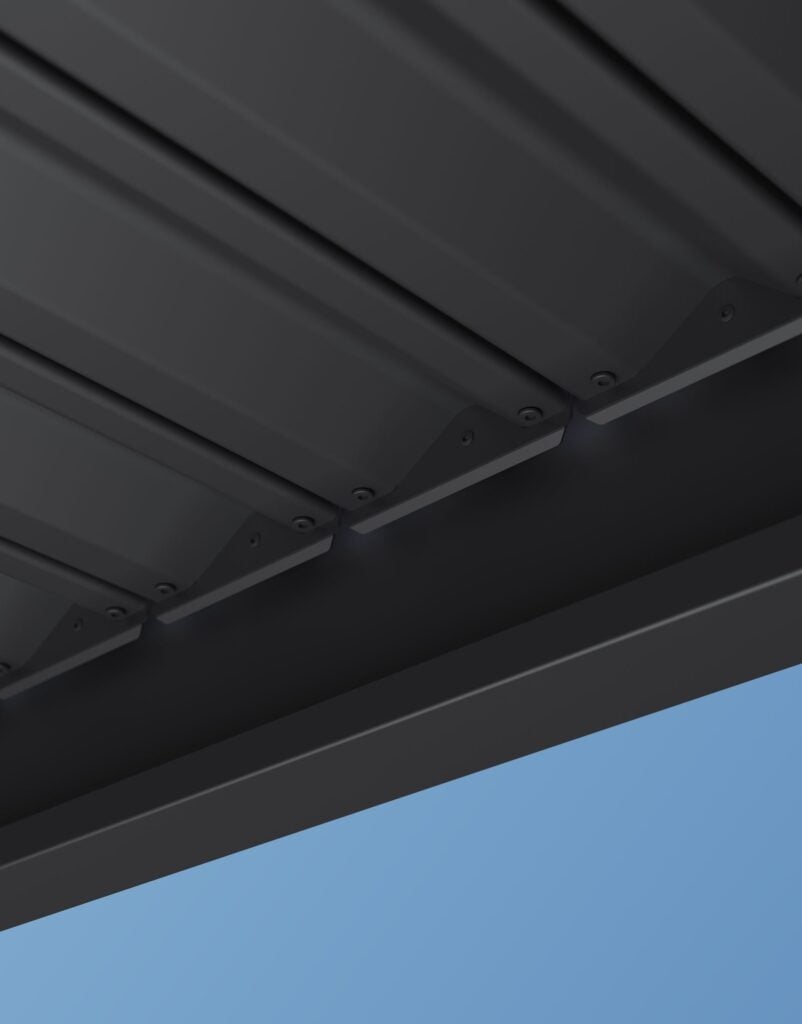
A sample does not always need to be a complete full-size pergola. The appropriate
sample depends on what the project needs to verify.
A colour chip or coated profile sample may be sufficient for finish approval. A
component sample can confirm machining and assembly. A partial frame can be used
to review a connection or accessory interface. A visual prototype may help with
appearance and sales presentation. A full-size prototype may be justified when
the structure, roof mechanism, drainage, controls or installation sequence is
substantially new.
| Sample Type | Suitable for Verifying | Main Limitation |
|---|---|---|
| Colour or finish sample | Colour, texture, gloss and coating appearance | Does not verify structural or assembly performance |
| Profile sample | Extrusion geometry, wall details, finish and machining | Does not represent the complete connected system |
| Component sample | Bracket, fastener, seal, motor, control or accessory interface | May not reveal interaction with the full pergola |
| Partial assembly | Connection, drainage detail, roof movement or installation method | Does not reproduce the final size or complete load path |
| Visual prototype | Appearance, proportion, product presentation and buyer feedback | May not be manufactured with final production materials or processes |
| Full-size prototype | Assembly, operation, installation, user interaction and selected tests | Requires more time and cost and may still differ from batch production |
| Golden sample | Approved appearance, configuration and production reference | Must be connected to the same controlled specification used for production |
The buyer and manufacturer should document what the sample is intended to approve.
A finish sample should not be interpreted as approval of the entire product, and
a visual prototype should not be treated as evidence of structural performance.
Approval objectives, required sample depth, review method and decision deadline.
Agreed sample, prototype or reference unit with identified revision status.
Written approval, conditional approval or documented correction list.
The sample’s purpose and approval scope are not defined.
Gate 6: Complete Verification, Testing and Buyer Approval
Verification should be based on the product changes and risks identified during
development. It may include dimensional inspection, assembly fit, louver
operation, motor and control checks, drainage review, coating inspection,
installation trial, component durability, carton testing or document review.
Not every project requires the same tests. An adapted private-label product may
rely primarily on existing product evidence plus packaging and branding approval.
A new mechanism or substantially revised structural configuration may require
additional technical evaluation.
Any test report should identify the sample, configuration, dimensions, method and
acceptance criteria. A result from one pergola size or arrangement should not
automatically be extended to every possible size or installation.
Quality-management systems can help control documents, processes and corrective
actions. However, an ISO 9001 certificate is evidence of a quality-management
system, not automatic certification of an individual pergola’s wind, snow or
rain performance. The
official ISO explanation of ISO 9001
provides useful context for interpreting management-system claims.
Required acceptance criteria, market requirements and review of available evidence.
Inspection results, test information, corrective actions and final approval package.
The approved product configuration and unresolved limitations are recorded.
Generic test claims are applied to a product configuration that was not tested or reviewed.
Gate 7: Freeze the Specification and Release the Product for Production
Production should begin from an approved and identifiable specification. A
production-release package may include the final drawing, BOM, colour standard,
packaging requirement, artwork, inspection criteria, installation document and
order-specific configuration.
This stage is sometimes called design freeze or specification freeze. It does not
mean the product can never be improved. It means that the version being produced
is controlled and that subsequent changes follow an agreed change-management
process.
After design freeze, a change to dimensions, roof zones, motor, colour, accessory
position, packaging or manual may affect price, lead time, tooling, component
availability and previous verification. The buyer should understand these effects
before approving the change.
For a new product or first major order, the parties may use a pilot order or
limited first-production batch. This allows production, packing and installation
feedback to be collected before the program is scaled.
Final commercial approval, artwork approval, order quantity and required delivery schedule.
Controlled production package, schedule, purchasing plan and inspection basis.
Final production release tied to an approved revision.
Late changes enter production without coordinated updates to drawings, BOMs or packaging.
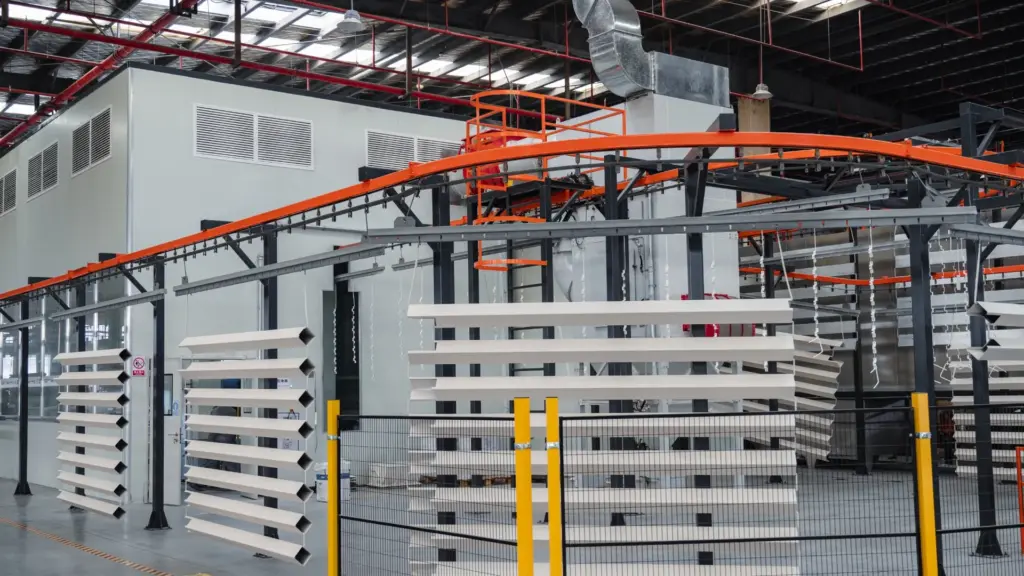
Gate 8: Manage Batch Production and In-Process Quality Control
Batch production should reproduce the approved configuration rather than
reinterpret it. The factory needs to control the correct revision, material,
machining, coating, purchased components, assembly and product identification.
In-process quality control may include checking cut lengths, hole positions,
profile finish, colour consistency, component matching, motor configuration,
louver movement, drainage components and hardware quantities. The inspection plan
should reflect the product being manufactured; a manual roof and a motorized roof
do not require identical checks.
Non-conforming components should be identified and prevented from moving into
final packing until they have been corrected, replaced or formally accepted under
an agreed deviation. Repeated defects should lead to corrective action rather
than repeated sorting alone.
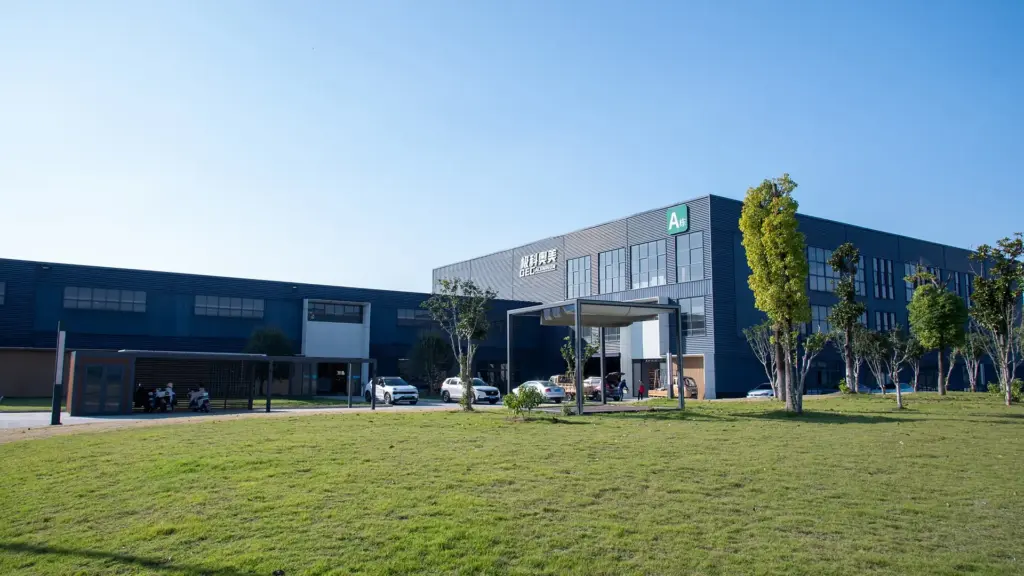
Buyers can review Outdoor Creation’s
aluminum pergola manufacturing facility and production process
for additional information about component preparation, surface finishing,
assembly, inspection, packaging and export loading.
Approved specification, order configuration and any agreed inspection or reporting requirements.
Produced components, in-process records, corrected non-conformities and completed assemblies.
Products pass the defined production and pre-packing checks.
Production follows an outdated drawing, unapproved substitute component or incomplete order configuration.
Gate 9: Finalize Packaging, Labelling and Export Documentation
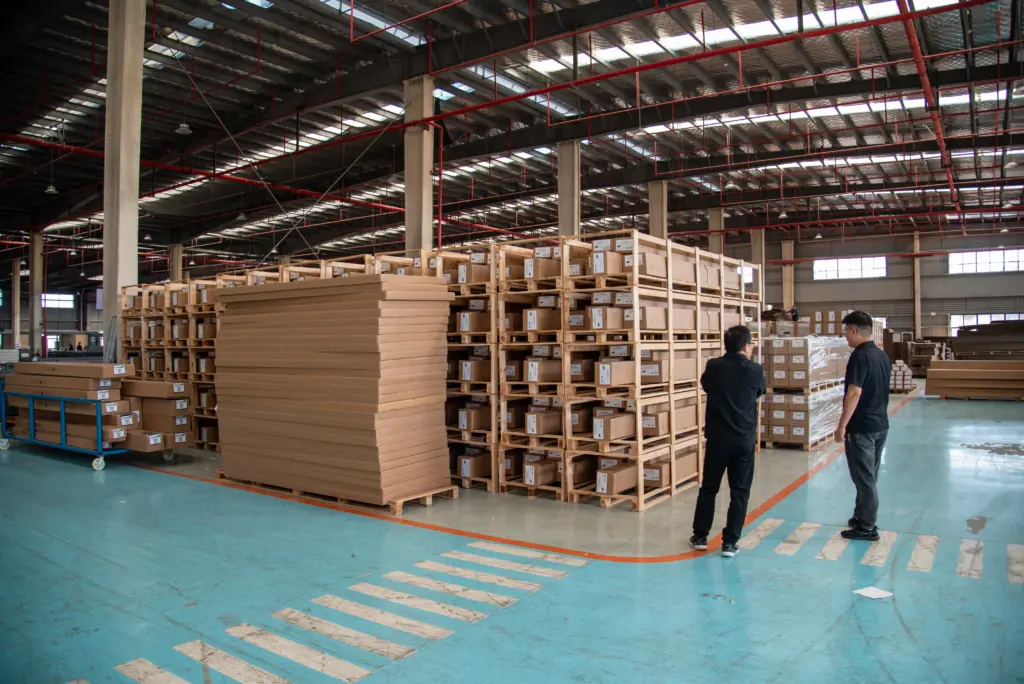
Packaging is part of product development because it affects transit protection,
container efficiency, warehouse handling, part identification and installer
productivity. Long aluminum profiles, powder-coated surfaces, motors, controls,
glass components and small hardware require different protection methods.
The buyer and manufacturer should define carton structure, internal protection,
component grouping, carton numbers, SKU labels, brand artwork, manual language,
spare-parts packing and pallet requirements. Parts should be identifiable without
requiring the installer to open every carton at the start of the project.
Packaging validation may involve drop, compression, vibration, handling or other
distribution-related checks depending on product type, route and customer
requirements. The
International Safe Transit Association’s test-procedure resources
can help buyers and manufacturers identify recognised approaches where formal
packaged-product testing is required. A specific ISTA procedure should not be
claimed unless the complete packaged product has actually been evaluated under
that procedure.
The commercial-document package may include the commercial invoice, packing
list, product description, origin information and destination-specific documents.
The exact requirements depend on the market, product classification, contract and
shipping arrangement.
Brand files, label format, manual language, warehouse requirements and destination information.
Approved packaging, carton labels, parts grouping, packing list and export-document information.
Packaging artwork, sample carton or packaging specification approved before full packing.
The product is manufactured correctly but arrives damaged, mixed, incomplete or difficult to install.
Gate 10: Complete Final Inspection and Container Loading
Final inspection confirms that the packed order corresponds to the approved
product and shipping documents. Depending on the agreed inspection scope, this
may include product sampling, quantity checks, carton-condition checks, label
verification, accessory confirmation, packing-list reconciliation and review of
open corrective actions.
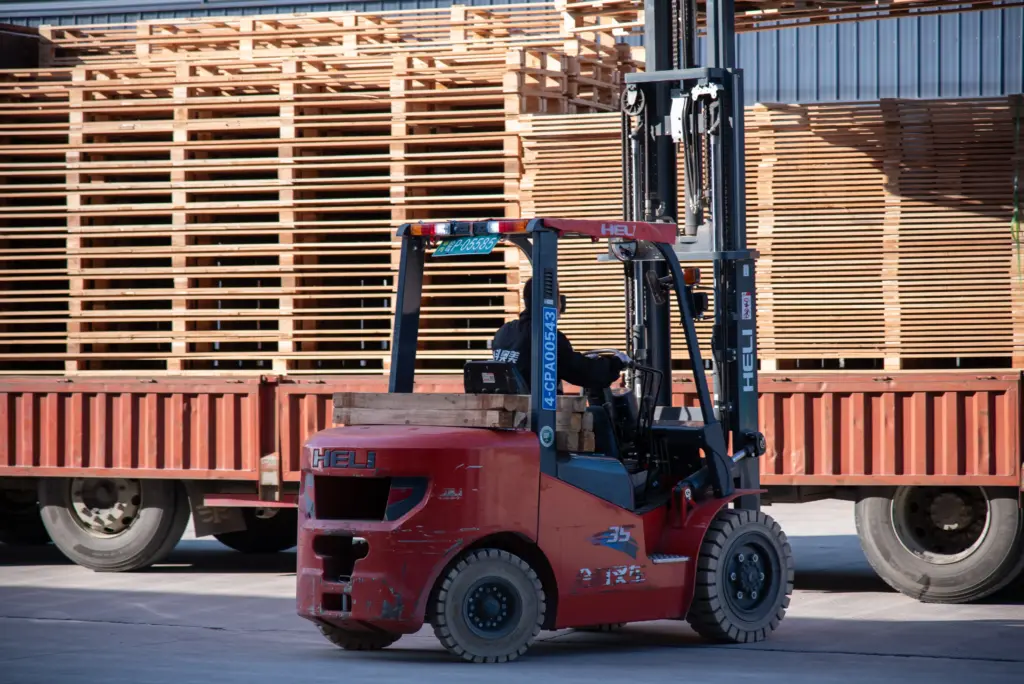
Container loading should follow a plan that considers carton dimensions, cargo
weight, loading sequence, unloading method, space utilization and protection
against movement. Maximizing container quantity is useful only when the packaging
remains accessible, stable and adequately protected.
The
IMO/ILO/UNECE Code of Practice for Packing of Cargo Transport Units
provides general international guidance on the safe packing and securing of cargo
transport units. It is not a substitute for product-specific packaging design,
carrier requirements or applicable transport regulations.
Loading records may include container-condition photographs, loading photographs,
carton count, container number, seal number and final shipping documents. These
records help establish what was loaded and can support later investigation if
damage or shortages are reported.
The agreed Incoterms rule should also be stated clearly in the sales contract.
Incoterms allocate defined delivery tasks, costs and risks between buyer and
seller, but they do not replace the full contract, payment terms, product
specification or warranty agreement. Buyers can consult the
International Chamber of Commerce Incoterms resources
when selecting an appropriate trade term.
Inspection arrangement, nominated forwarder where applicable, Incoterms rule and shipping instructions.
Final inspection status, confirmed packing list, loading records and shipping-document handover.
Order released for shipment after inspection, documentation and loading checks are complete.
Quantity, loading, documentation or delivery responsibilities are left unclear until the container is due to depart.
What Determines the Lead Time of a Custom Pergola OEM Project?
There is no single reliable lead time for every custom pergola project. The
schedule depends on the development depth, completeness of the design brief,
speed of buyer feedback, sample requirements, tooling, component availability,
testing, artwork approval, order quantity and shipping plan.
A private-label project based on an existing approved model may move relatively
quickly because the main technical platform already exists. A new profile,
mechanism, motor configuration or project-specific structural arrangement can
require substantially more development.
Buyer approval time is frequently part of the critical path. A manufacturer
cannot complete the next stage efficiently when dimensions, colours, accessories,
artwork or market requirements remain undecided. The project schedule should
therefore show both manufacturer activities and buyer decision dates.
A practical scheduling principle
Do not request one total lead time before defining the project stage. Separate
the schedule into technical clarification, concept approval, drawings, samples,
verification, production preparation, batch production, packing and shipment.
This makes delays easier to identify and manage.
How to Control Design Changes Without Stopping the Project
Design changes are normal during product development, but uncontrolled changes
create errors. A change should identify what is changing, why it is changing,
which documents are affected and whether cost, timing, tooling, testing,
packaging or installation information must be revised.
A simple change log can include the revision number, date, description, reason,
affected parts, commercial impact and approval status. The same revision should
appear across the drawing, BOM, quotation and production-release information.
Changes that may require wider re-evaluation
- Increasing the span or reducing the number of posts
- Changing from freestanding to wall-mounted installation
- Adding glass doors, fixed walls or large screens
- Changing the roof mechanism, motor or control system
- Changing drainage direction or outlet arrangement
- Replacing a structural or safety-related component
- Changing packaging dimensions or loading orientation
- Moving the product into a market with different technical requirements
Post-Launch Feedback Is Part of the Product-Development Cycle
Container loading is the end of the first manufacturing cycle, not the end of the
product-development process. Information from unloading, warehousing,
installation, sales, warranty claims and repeat orders can reveal opportunities
that were not visible during the first prototype.
Useful feedback includes transit damage, missing or confusing parts, installation
time, manual clarity, accessory fit, drainage behaviour, control usability,
coating concerns and common customer questions. The manufacturer and buyer should
separate one-off site issues from repeated product or packaging issues.
Corrective action can lead to revised packaging, clearer carton numbering,
improved installation instructions, component changes or a new product revision.
A mature OEM relationship uses this information to make repeat orders more
predictable rather than treating every claim as an isolated event.
Final Pre-Production Checklist for Custom Aluminum Pergola Buyers
| Area | Confirm Before Production | Typical Evidence |
|---|---|---|
| Project scope | OEM, ODM, private label or project customization is clearly defined | Approved scope or development agreement |
| Product configuration | Model, dimensions, roof zones, installation type and accessories are confirmed | Approved configuration sheet |
| Technical basis | Production follows an identifiable drawing and specification revision | Approved drawings and controlled BOM |
| Materials and finish | Material, colour, texture and relevant component specifications are agreed | Specification and approved sample |
| Verification | Required inspections or tests are completed or scheduled | Inspection results, reports and corrective-action records |
| Branding | Logo, labels, model name, manual and artwork are approved | Final artwork files and approval record |
| Packaging | Carton structure, component grouping and part identification are confirmed | Packaging drawing, sample or specification |
| Commercial terms | Price, quantity, payment, Incoterms, delivery schedule and claim process are clear | Purchase order and sales contract |
| Installation support | Documents and local responsibilities are understood | Installation manual, drawings and responsibility matrix |
| Change control | Late changes cannot enter production without review and approval | Revision and change log |
Conclusion: An OEM Process Should Reduce Uncertainty at Every Stage
A successful custom aluminum pergola OEM project is not defined by how quickly a
manufacturer agrees to every request. It is defined by how clearly the project
moves from an idea into a controlled product specification.
The buyer should know what information is required, what the manufacturer will
produce, which decisions need approval and what risks remain open. The
manufacturer should understand the target market, technical requirements,
commercial limits and documentation responsibilities before production begins.
A structured OEM process does not eliminate every product, shipping or
installation risk. It helps identify those risks early enough for the parties to
make informed decisions. This is especially important for pergola systems, where
dimensions, structure, roof operation, drainage, accessories, packaging and local
installation conditions are interconnected.
When the design brief, drawings, BOM, samples, inspection criteria and packaging
all refer to the same approved product, the transition from development to
repeatable production becomes more manageable. Container loading then represents
the completion of a controlled sequence rather than the end of an improvised
order.
Discuss a Custom Pergola Product or OEM Program
Outdoor Creation supports B2B partners with standard product supply, private
label programs, OEM adaptations, custom pergola projects and selected product
development work. The appropriate process depends on the maturity of the
concept, required customization, target market and expected volume.
Review Outdoor Creation’s
OEM, ODM and business-cooperation information
,
explore the
aluminum pergola product range
and available
pergola accessories
before preparing the initial project brief.
Contact us for more detailed OEM process for your project.