For a pergola import order, compare the legal names of the quotation issuer, the seller in the sales contract, the proposed payment beneficiary and the operator of the assigned factory. If a name differs, record the role and the evidence that connects it to the order. Importers need a record their finance team can review. Sourcing agents need to show which company is selling, where the goods will be made, and who can confirm any changes.
Build the Identity Record for This Order
The importer needs a usable account of who stands behind the offer, who signed the sales contract and who is expected to receive payment. The sourcing agent needs to trace the stated production work to a named site and operator. Finance and compliance need to know which names have been reconciled and what evidence is still outstanding. A single order record gives those teams the same versions and the same point of reference.
Start With the Current Quotation and Contract
Start with the reference used for this import order. Record the selected quotation number, revision and date, followed by the version of the sales contract in review or signed. Capture the reference on each attached product schedule or other related record. A drawing, cover note or manufacturing statement may carry a different identifier. Add a short entry explaining how it connects to this order and which version supports the connection.
If a quote is reissued, keep the superseded copy and point to the selected version. Record where the change affects the seller, configuration or delivery scope. An order number can be carried forward while a document or role changes. The revision history shows a second reviewer which names were in use when the order was agreed.
Read the product scope alongside the entities. A project may specify one of the aluminum pergola systems for project specifications, or combine a pergola with items from Outdoor Creation’s outdoor living range for trade buyers. Identify the agreed configuration and accessories so that the record covers the goods named in the quotation and contract. Teams at an earlier stage can use the wider framework for evaluating a louvered pergola manufacturer before shortlisting.
Give Each Party Its Own Record Line
Use separate lines for the quotation issuer, contract seller, proposed payment beneficiary, and manufacturing site with its operator. Repeat a name on more than one line when the evidence shows that the same entity fills several roles. On each line, record the name as shown, where it appears, the relevant date or revision, and the person responsible for resolving questions. For the production line, include both the operator and the physical site.
The following example follows an aluminum pergola order with an approved product schedule. The quotation shows a sales-team label as well as a legal issuer. The signed contract names that issuer as the seller. A separate company is identified for specified frame-component work. A later message introduces a separate proposed beneficiary, which stays open while the buyer’s finance and compliance reviewers request the evidence for that role.
| Record line | Entity or place shown | Source for this order | Status and reviewer |
|---|---|---|---|
| Quotation issuer | Sales Company, linked to a sales-team label. | Current quotation and registration record name the legal issuer. Keep the quote revision and the identity reference. | Identity reconciled. Procurement retains the source. |
| Contract seller | Sales Company. | The signed contract names the seller. The attached product schedule carries the same order reference. | Signed version recorded. Procurement owns updates. |
| Proposed payment beneficiary | Collection Entity. | A later message proposes a new collecting party. Evidence of its role on this order is still due. | Pending. Finance and compliance review the relationship and verify the request. |
| Manufacturing site and operator | Production site operated by Manufacturing Company. | The seller’s statement links the site to the specified frame-component work for this order. | Scope recorded. The sourcing agent follows any change to the site or work. |
Designed and created by the Outdoor Creation team.
Use the status to tell a reviewer exactly what has been done. The first two lines record a checked identity and current signed version. The manufacturing line identifies the scope covered by the seller’s statement. The beneficiary line records a proposed role and its outstanding support. Each status stays attached to the evidence on that line.
- Gather the current recordsQuotation, sales contract, proposed beneficiary and manufacturing evidence.
- Compare names, roles and sourcesUse the registered identity where applicable. Record which work the site is assigned.
- Record the review statusKeep the verified roles and open items visible. Attach the outcome to the order record.
Designed and created by the Outdoor Creation team.
Reconcile the Quotation, Contract and Factory
Resolve Brand and Registered Name Variations
Copy the name as displayed on the quotation, including the trading name if one is used. Then locate the legal entity named in the body, issuer block or accompanying identification. For a China-registered entity, check the registered Chinese name and, where appropriate, the Unified Social Credit Code assigned to the entity. State the source and date. If an English name is used in the sales documents, retain a reference that connects it to the registered name. A shared brand or a similar translation gives you a point to investigate.
The U.S. Commercial Service guidance on background checks describes initial checks of a company’s existence, address and the person’s role. Record which of those checks you made. In the example, the registered identity connects the seller to the sales name on the quotation, while a separate piece of evidence records who performs the specified manufacturing work. Procurement can explain the first relationship without making an assumption about the second.
An address or registered name can also change over time. If an older quotation shows a previous registered name, ask for current evidence connecting that name to the entity on the contract. Add the relevant date and source to the quotation line. If the identification still differs, the reviewer can see precisely which names and references remain unresolved.
- Names shown
- The sales label and the legal seller name appear on the current quotation and contract.
- Evidence to connect them
- Use the registration record and a current document that links the label to the legal issuer.
- Record result
- Keep both names, the shared identity evidence and the date the match was checked.
Designed and created by the Outdoor Creation team.
- Names shown
- The signed seller and manufacturing operator have separate registered identities.
- Evidence to connect them
- Use a statement or other order record that names the operator, production site and assigned scope.
- Record result
- Retain separate entries for the seller and operator. Keep the evidence that connects their work to the same order.
Designed and created by the Outdoor Creation team.
Verify the Contract Seller’s Role in the Order
Read the seller field on the signed or current review version of the sales contract and record its status. Compare the order reference, selected quotation and relevant product schedule. If a different sales entity is introduced during review, identify the version where it first appears, the role it is expected to take and the person who can confirm the change under your company’s procedures.
An offer can describe custom finishes, packaging and delivery options. Check what determines the scope of a wholesale aluminum pergola quote and use the site information needed for a pergola quotation when the product schedule needs clarification. The ICC explanation of Incoterms® and commercial contracts covers delivery responsibilities, costs and risks. Keep the trade term with the delivery record, and get the seller’s legal identity and any payment provision from the relevant contract and order documents.
A logistics document may later show a shipper or export service provider. Note the role that particular document describes, and give it its own reference if the buyer needs it. For the sales-contract line, ask who is named to supply the agreed goods and whom the buyer should contact about a change to that commitment.
Tie the Manufacturing Site to the Ordered Scope
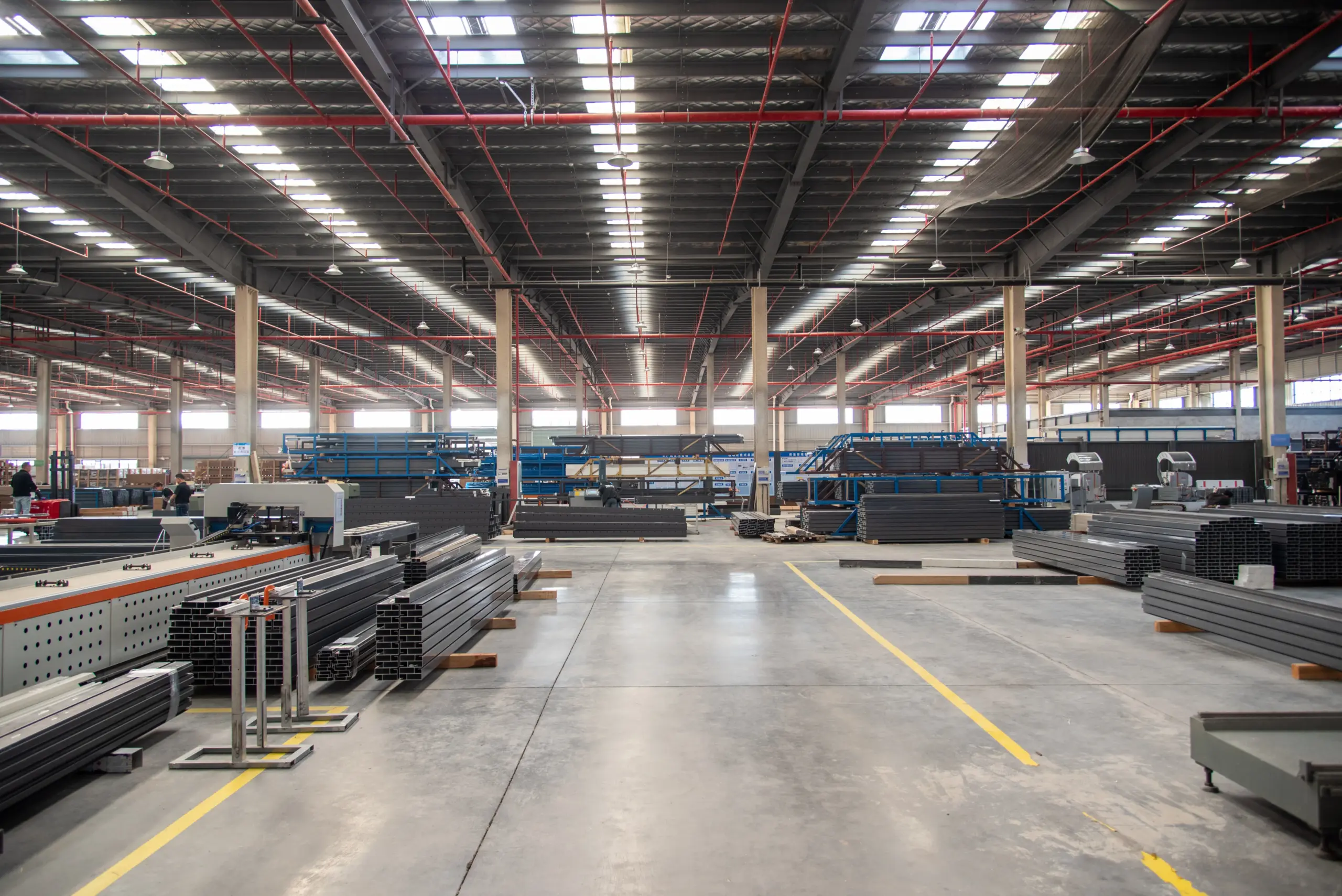
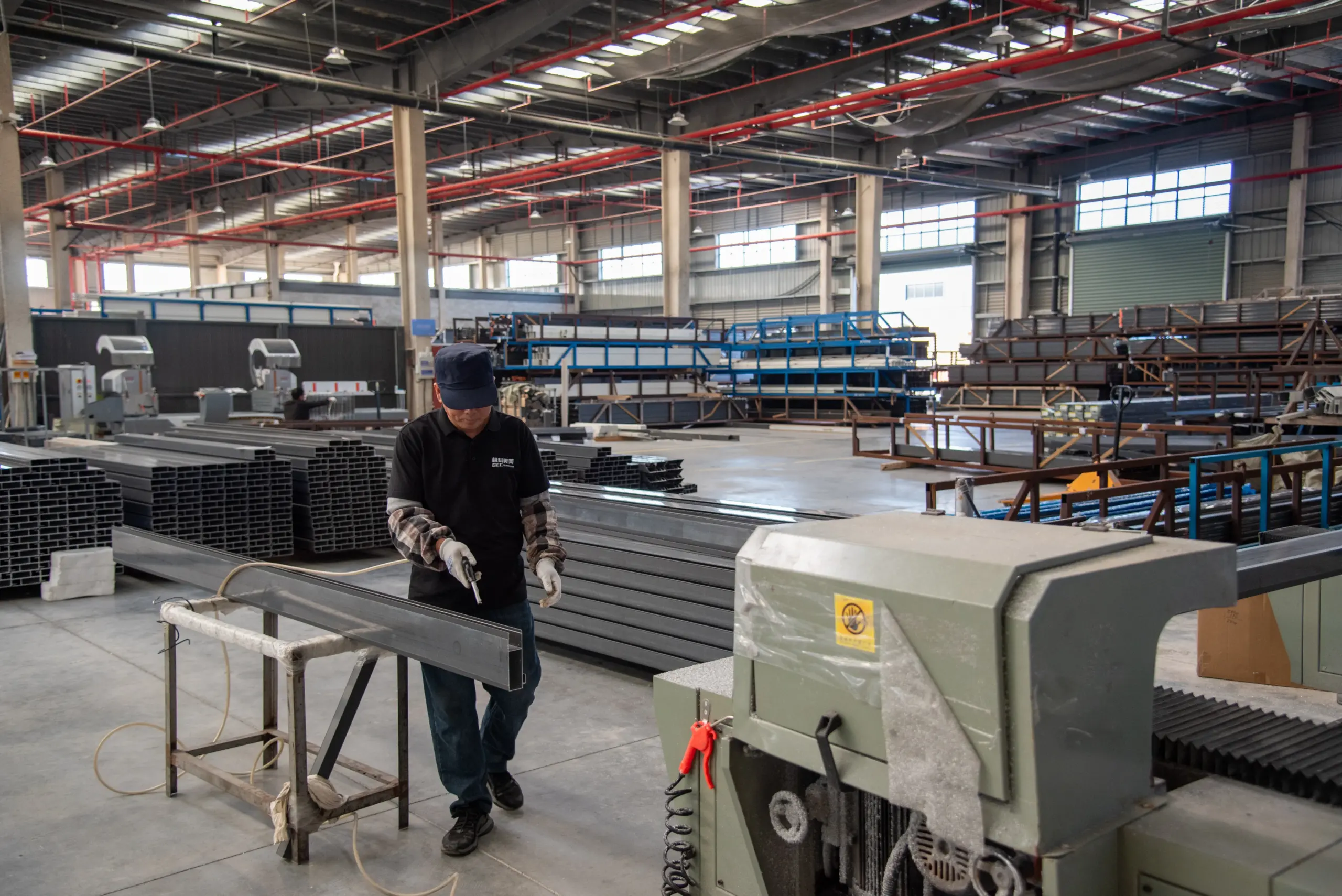
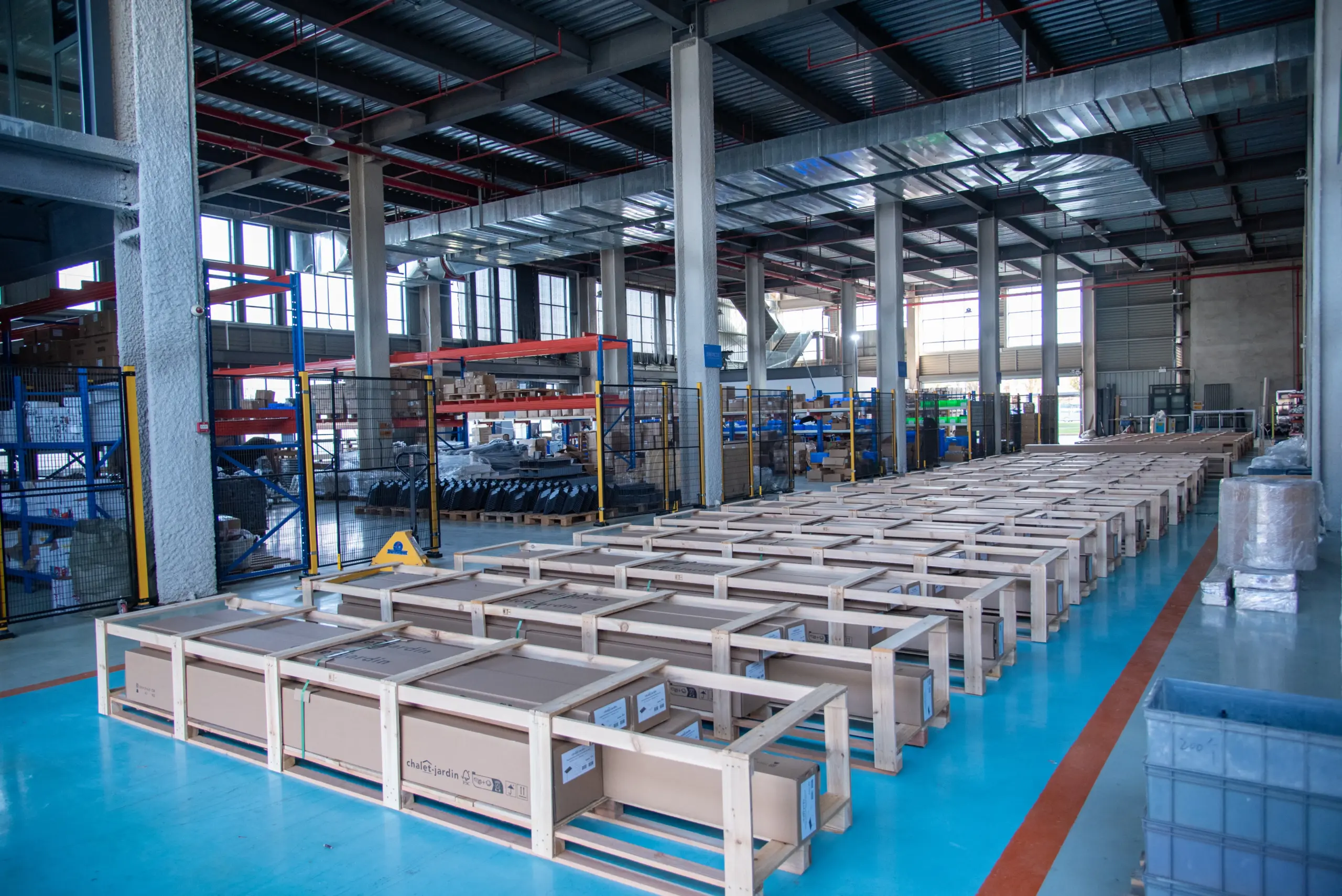
Ask for the physical site, its operator and the pergola components or processes assigned there. The address in a company registration identifies a registered address. The site field answers where the specified work will take place. If the seller and operator are separate entities, ask for a statement or agreed order record naming both roles and the scope each covers. A drawing release, approved manufacturing statement or inspection record can support the link when it identifies the same order, site and component or work stage.
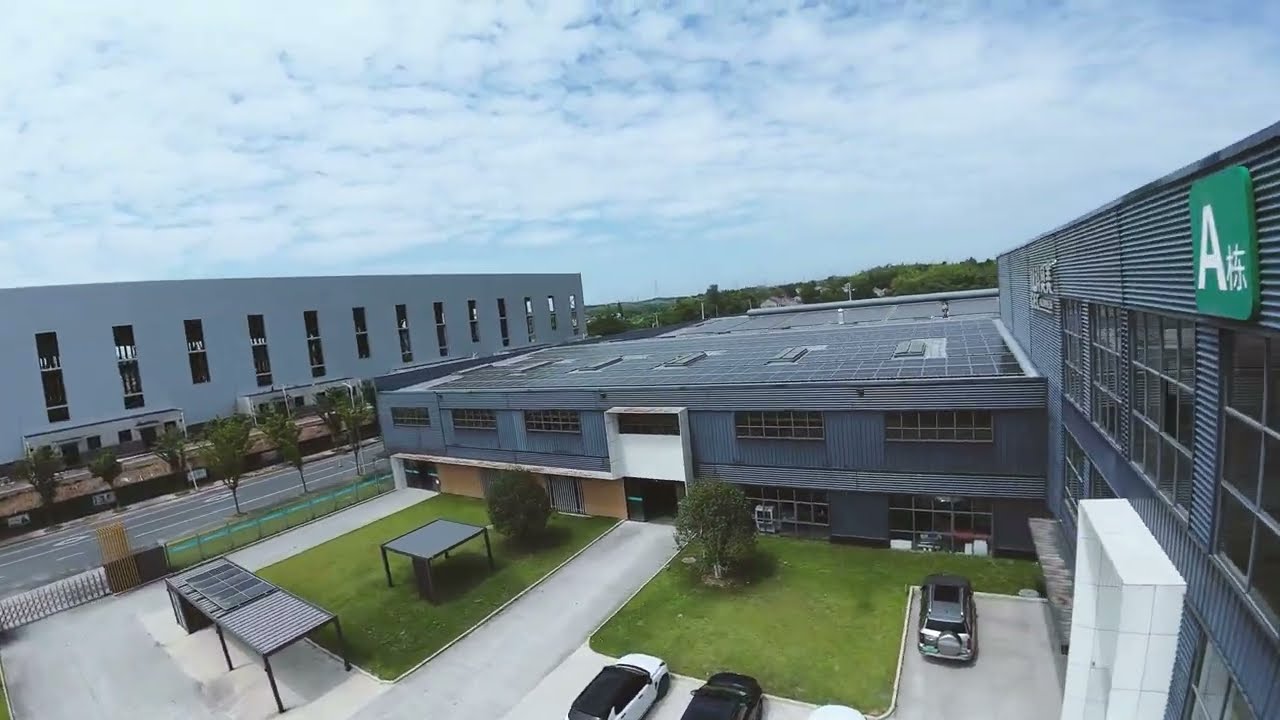
For our public company context, see Outdoor Creation’s design and manufacturing operations in China and our aluminum pergola manufacturing facility in Xuancheng. If you are working with a China-based aluminum pergola manufacturer for your import order, use the public material to understand its operations. Keep the order-specific evidence with the part of the production scope it addresses. Where work is split, list the named site and task on each relevant line of the record.
In the example, the statement identifies the operator for the stated frame-component work. That is the scope the sourcing agent records. The record can add final assembly, inspection or packaging as separate entries when those activities are relevant to the order. For a site awaiting confirmation, give procurement the missing document or question to send back and record who owes the response. If a pre-shipment inspection later names a different location, compare which work and stage that evidence covers before updating the site field.
Review a Different or Changed Payment Beneficiary
Document the Role of a Proposed Collecting Party
When a proposed beneficiary differs from the seller, write down the proposed role, who supplied the information and which order or contract it refers to. Ask the appropriate buyer team what documentation it needs to assess the relationship. The seller’s explanation can show what the seller says about the arrangement. Finance and compliance can then determine which document, confirmation or authorization they need for this particular order. Record the review status and route the evidence to them through the buyer’s approved channel.
In the illustrative order, the signed seller remains Sales Company. The proposed Collection Entity appears later in correspondence. That communication provides a name and a date for the new entry. The order record leaves the collecting role pending and assigns the request for documentation and independent verification. The manufacturer’s site declaration addresses the frame work. The finance record addresses the proposed beneficiary, using its own evidence.
When the buyer’s procedure calls for written confirmation, tie it to the order and the stated collecting role. The reviewer may need to see who issued the confirmation, whom it identifies and what it covers. Preserve the related contract revision and date. If the proposed arrangement changes again, record a new exception against that prior entry. Each reviewer should be able to establish which arrangement the record describes.
Verify Changes Through an Existing Independent Channel
Record discrepancies before updating the active version of the order record. Keep the previous reference and the new request with their dates. Note whether the change concerns a display name, a different collecting entity, or a change in details for an entity already recorded. A familiar email thread may be where the request arrives. The FBI guidance on business email compromise explains how to check a suspicious request through a contact detail obtained independently. Use your company’s established verification channel and record who made the check and when.
The reviewer’s entry should say which change was confirmed, what support was seen and which items remain open. Leave account details in the authorized finance record. In the shared order record, keep the role, the status and the reference a permitted reviewer can follow. When supplier messages, contract versions or logistics documents describe different roles, return to the source each team is responsible for checking.
An important distinction in the handover is whether an entry is missing, inconsistent or simply awaiting review. Record which of those applies. A missing legal name on a quotation may go back to procurement. An unexplained request to amend the beneficiary goes to the person who owns that check in the buyer’s procedure. Keep the open question visible even when the other lines are complete.
| Trigger | Evidence to review | Next owner |
|---|---|---|
| New collecting party proposed | The request, the named party, its stated role and the supporting record tied to this order. | Finance and compliance. Ask procurement to obtain missing order references. |
| Recorded beneficiary details change | The prior version, the changed fields and the outcome of independent confirmation. | Finance. Apply the buyer’s approved verification procedure. |
| Contract seller changes | The prior and new seller identities, the affected contract version and linked product schedule. | Procurement and the designated contract reviewer. |
| Production site or operator changes | The new site, its operator, the affected components or stages and the related manufacturing or inspection record. | Sourcing and the person responsible for production or inspection evidence. |
Designed and created by the Outdoor Creation team.
Hand Over the Exception and Keep Evidence Current
Assign the Next Decision and Its Owner
Procurement can maintain the common record and confirm the quote and contract versions. The sourcing agent can obtain the operator, site and manufacturing scope and attach the relevant order evidence. Finance and compliance take the proposed beneficiary and any change to it. Give each reviewer a specific question, the affected row and the version to check. In the example, the open question is which evidence supports the new collecting party on this order. The signed seller and recorded frame-work site stay visible while that question is reviewed.
Put a date and a named owner against each remaining question. If the reviewer resolves a discrepancy, record the document or independent confirmation used and what it established. When confirmation is still outstanding, mark the entry as pending and say what would close it. The next reader should be able to tell whether a record is waiting for information from the seller or for a decision from an internal reviewer.
For a company overview during the handover, the Outdoor Creation factory tour shows the aluminum pergola manufacturing environment and production line in Xuancheng. Use it to orient the team before reading the order’s manufacturing evidence. The production-site entry still needs the operator, address and assigned work recorded for the chosen order.
Reopen the Record When an Order Party Changes
Keep the older version and date the new entry. If the sales entity changes, check the corresponding contract version and related order schedule. If the production site changes, record the new site and operator and identify which specified work or inspection evidence is affected. If collection arrangements change, ask the assigned reviewer to document the outcome through the buyer’s established procedure.
For example, a post-approval change to the frame-component site affects the manufacturing row and the inspection references that use it. Revise those entries together and update any teams working from the older location. The seller line keeps its own evidence and version. Separately identify any later change to a contracting or collecting entity so it reaches the right reviewer.
When you request a revision from a factory-direct pergola supplier for project-specific production and documentation, send the order reference, current configuration and the exact role or evidence you need clarified. Ask which document the supplier can provide and who owns the response. A dated note with those fields gives the importer and sourcing agent a common answer to what is known, what remains to be checked and which version the next team should use.
Pergola Import Order Identity FAQ
Who issued the quotation for this pergola order?
Record the legal entity shown as the issuer and the quote revision. If the page names a brand or sales office, confirm the issuing entity separately.
Can my customer check where a pergola was made?
Ask for order-linked evidence identifying the manufacturer and production site. Confirm which details the supplier can share with the customer and keep the order reference on file.
Can the seller and manufacturer be different companies?
They can be separate entities. Record the contracted seller and obtain order-specific evidence linking the named production site to the goods and agreed manufacturing scope.
How do I check an English trading name?
Compare it with the registered name and an applicable registration identifier. Ask the supplier to document the link when the quotation uses an English brand or trading name.
What if the beneficiary differs from the seller?
Record the proposed beneficiary and the stated relationship. Ask the buyer’s finance and compliance reviewers what supporting evidence they need and keep the exception open while they review it.
What should I record when beneficiary details change?
Save the prior and new versions, the time of the change and the responsible reviewer. Verify the request through an independently established channel under the buyer’s procedures.
Does the shipping term identify the contracted seller?
Read the seller’s identity in the sales contract. An Incoterms rule assigns specified delivery responsibilities, costs and risks. The contract and order documents establish the relevant parties.
What evidence links the production site to my order?
Ask for a document naming the site, its operator and the order reference. Keep it with the agreed product specification and any approved change to the production location.
Materials, hardware, installation requirements and final custom specifications depend on the selected configuration. Order and service terms are confirmed for each project.